
The path
A short path from first call to a certified team.
Organizations do not need a maze. They need a conversation, a plan that fits the work, hands-on certification, and a way to keep the standard after the first class.
01
Discovery conversation
We start with the people you serve, the rooms you work in, and the outcome you actually need. No packaged pitch before that.
02
Customized training plan
The plan matches the organization: who must be certified, who will instruct, and how the work fits the time you have.
03
Certification
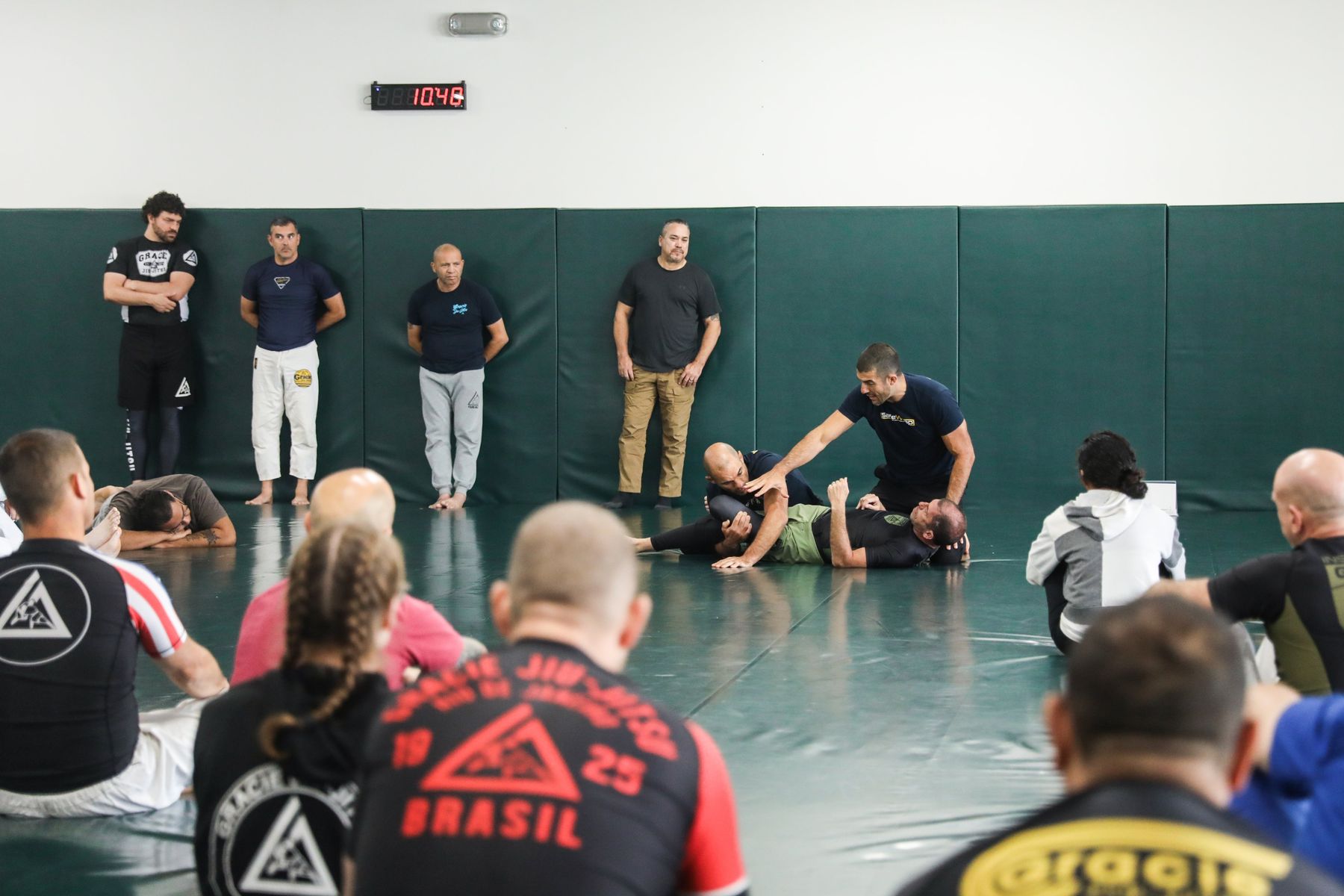
End-user, instructor, or both. End-user certification is typically accomplished in a focused hands-on format. Instructor training supports a train-the-trainer model so the standard can live inside the organization.
04
Support and recertification
Staff change. Skills fade. Ongoing support and recertification keep the three conditions from becoming a one-day memory.
End-user certification is typically accomplished in a focused hands-on format. People leave having practiced the sequence, not having watched it.
Where the organization wants the skill to stay in-house, instructor certification follows a train-the-trainer model. Your people can teach your people, inside your policies, with a shared picture of Position 1.
The practical investment is the time to learn a sequence you will actually use. Scope, dates, and who attends are set in the discovery conversation.
Choose a course levelStart with the discovery conversation.
Name the sector, the people, and the outcome. We will tell you plainly whether a certification plan fits.