
SafeWrap Certification

SafeWrap is a lateral restraint system that maximizes control and reduces injury to everyone involved. No joint locks. No chokes. No strikes. CTC certifies teams to establish that control early, so the rest of the encounter stays measured.
Who we serve
The same system, different rooms.
High-risk organizations, where restraint is a core duty. Low-risk organizations, where it is occasional. The system is the same and the course is matched to the room.
About the Instructor
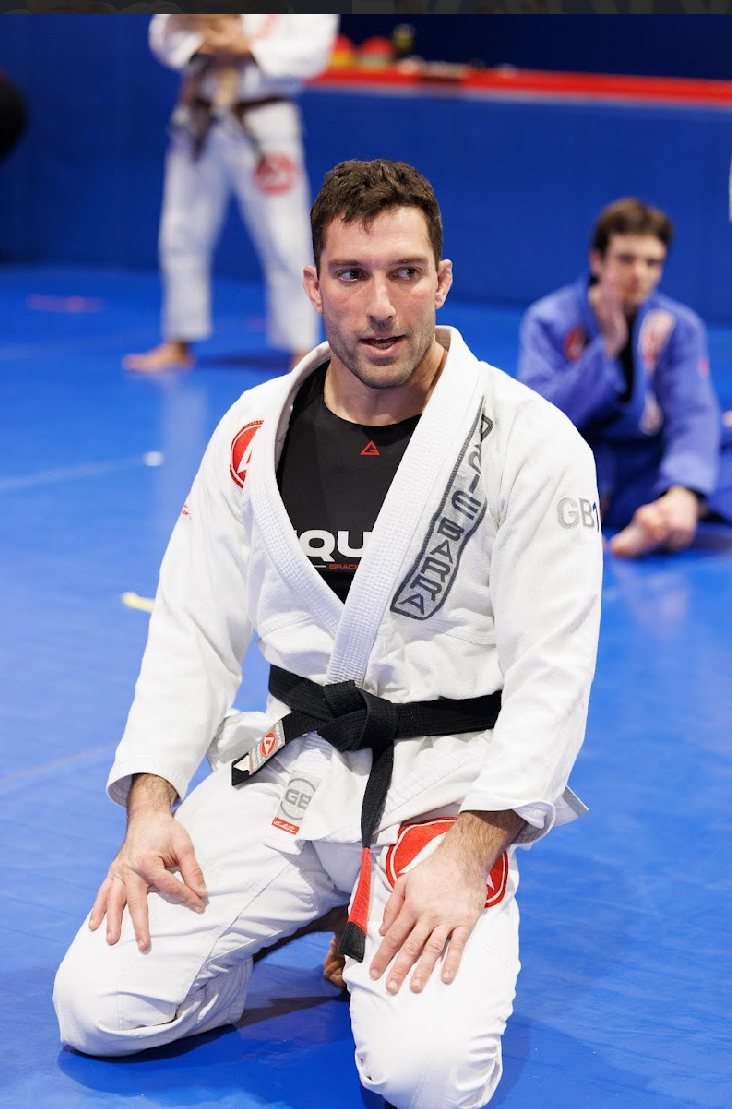
Matt Spica
- Brazilian Jiu-Jitsu Black Belt
- Certified SafeWrap instructor
- Northern Illinois
Matt Spica
Matt Spica is a Brazilian Jiu-Jitsu Black Belt and a certified SafeWrap instructor. He founded CTC Restraint Training to help organizations adopt a clearer, more controlled approach to restraint. One that's built on the principles of Jiu-Jitsu and prioritizes early control and better outcomes for everyone involved.
Why both credentials matter
High-level grappling develops a practical understanding of how bodies create force, lose it, and how that exchange of energy can be managed under stress. SafeWrap's foundation is jiu-jitsu, but with clear boundaries: no joint locks, no chokes, and no strikes. It establishes a lateral position of control designed for free breathing and a visible face.
The combination serves the philosophy of Confidence Through Control. Grappling experience makes the positions and grips honest and reliable. The invisible details of base, frames, hips, and grips take years to develop, and Matt focuses on translating that understanding into clear, approachable instruction. His goal is an environment where participants feel challenged, supported, and able to apply the system with confidence.
What CTC delivers
Maximize Control, Minimize Risk
Three outcomes. They are the reason an organization brings the training in.
01
Reduce Friction
Control arrives before the chaos. De-escalation is the first priority. If restraint becomes required, staff are trained to communicate and establish control of the situation. The encounter is less likely to turn into a fight with the person, the team, or the public record.
02
Improve safety
The takedown is controlled, the hold is lateral. No joint locks, no chokes, and no strikes. Breathing, the airway, and the face stay available, so the risk drops for the person being held and for the people holding them.
03
Deliver an ROI
Fewer injuries, cleaner events, and a method staff can reproduce. The return is practical: lower risk, better control, and less of the cost that follows a situation that went wrong.
If you want Matt to teach your people, start here.
The philosophy
Confidence Through Control
It is the calm that comes from knowing you already own the three things that actually determine safety in a restraint encounter.
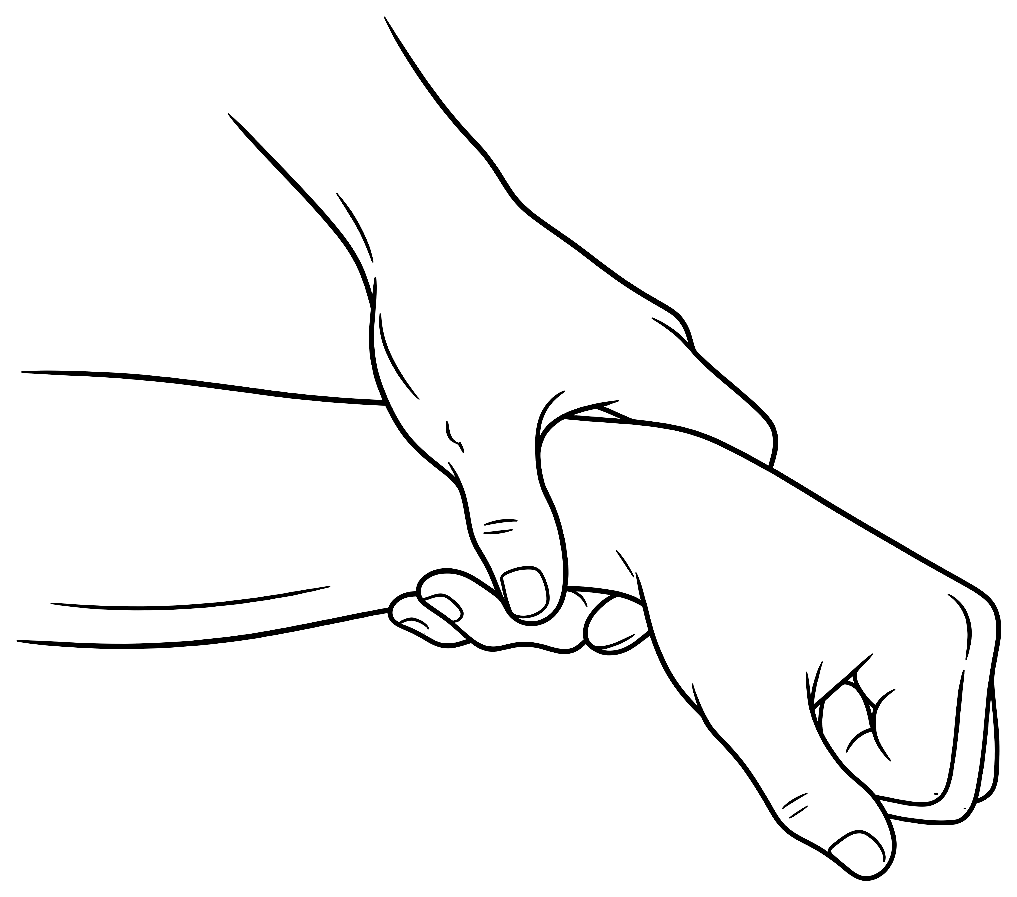
Wrist control
The subject's hands are secured and cannot strike, grab, or reach.
Movement control
The subject's ability to stand, roll, or generate force is neutralized.
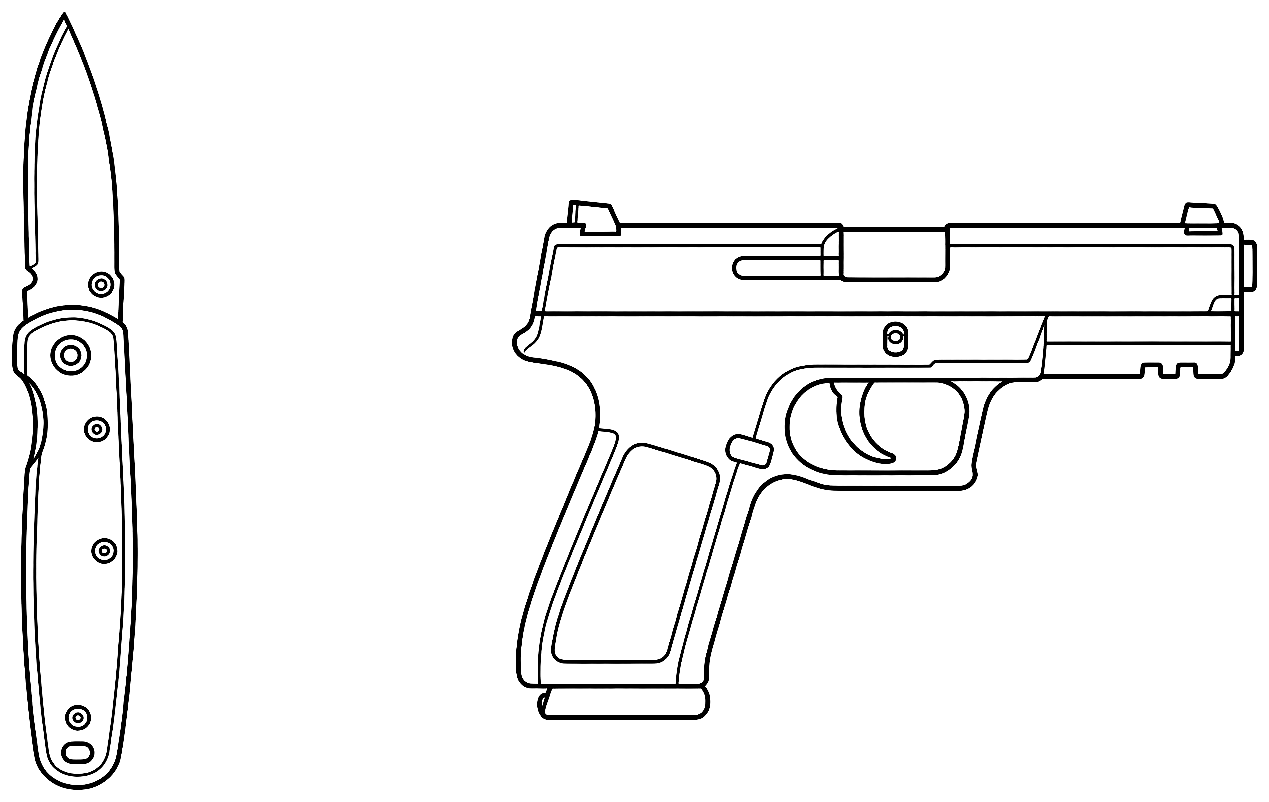
Weapon check
Access to the waistband and concealed items has been denied.
Most personnel only feel truly comfortable once a subject is fully restrained and the situation is stabilized. That is because three conditions have finally been met: wrist control, movement control, and a weapons check. Until then, a residual sense of incompleteness remains.
When people do not feel they have control, they accelerate to reach the point where they believe they will. Rushing under tension is where chaos, elevated force, injuries, and mistakes most often appear.
CTC’s approach with SafeWrap is built on a different sequence. We establish those three conditions early — in Position 1 — so the sense of control arrives before final restraints do. When wrist control, movement control, and weapon denial are already in place, the remainder of the encounter can proceed in a measured way rather than reactively. Officers or Staff can monitor the face and airway, communicate, adjust as needed, and transition into further restraints without the pressure of an unfinished, high-risk position.
The result is better outcomes for everyone involved. The subject experiences controlled restraint rather than a compressed or chaotic struggle. Personnel utilize a shared language and operate from a position of established control instead of urgency. The organization reduces the variables that most often produce injuries, complaints, or liability.
Control is not the end of the process. It is the condition that allows the rest of the process to remain safe, measured, and effective.